
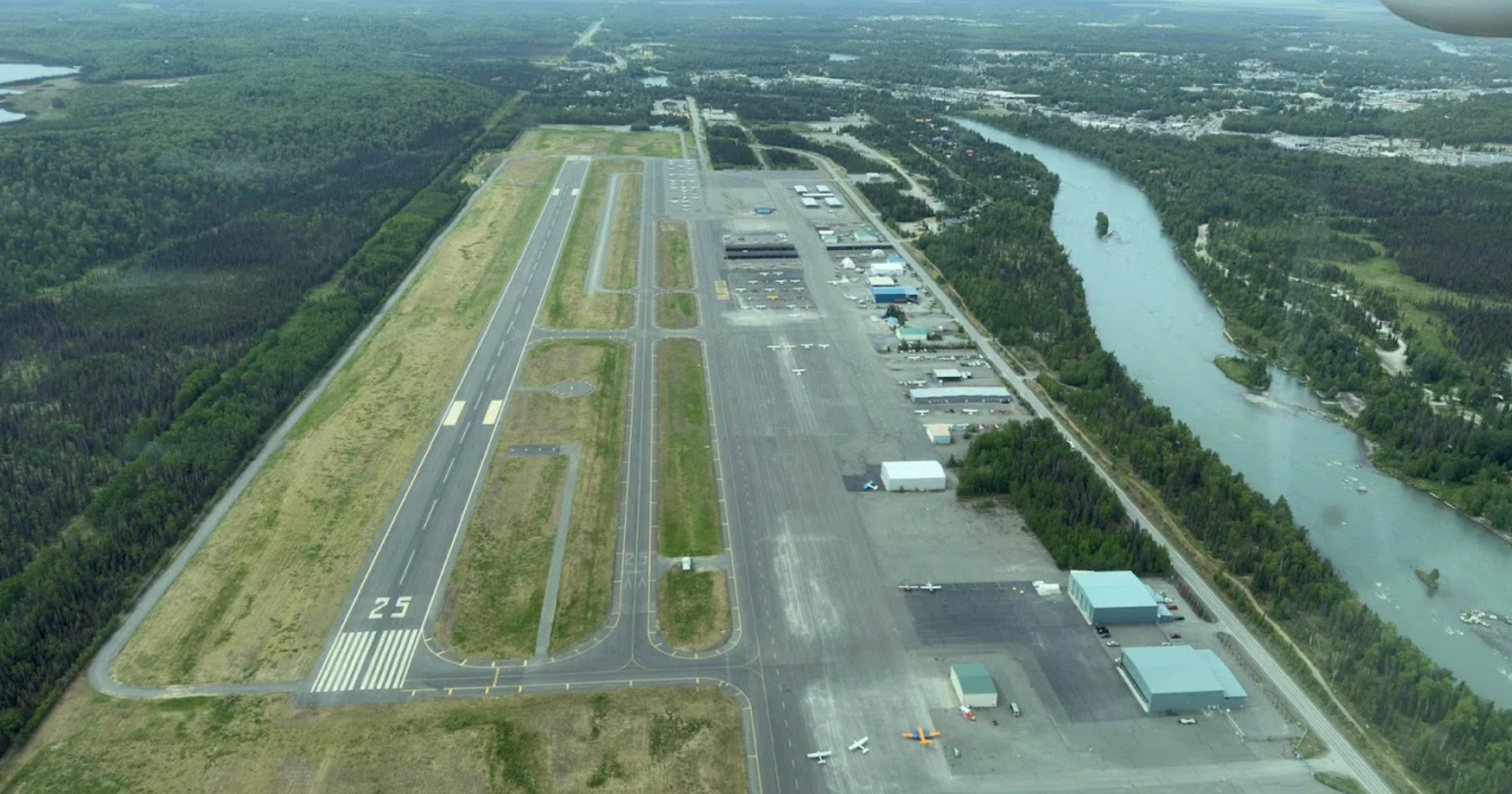
It can be sunny in Bethel while another village is dealing with fog, strong wind, or low visibility. That difference can be confusing, especially when one flight leaves on time and another has to wait.
Across the Yukon-Kuskokwim Delta, weather can change quickly and vary over short distances. A flight depends on conditions at the departure airport, along the route, and at the destination. Even when two communities are relatively close together, the weather around each one may be completely different.
That is why Alaska weather flights are planned around the full route rather than what passengers can see from one airport window.
Choose Yute for your next trip and fly with a team familiar with each route’s conditions.
Why Can Nearby Villages Have Different Weather?
The Yukon-Kuskokwim Delta covers a wide area with rivers, wetlands, coastal influences, and open tundra.
Those features affect how wind, fog, clouds, and storms move through the region. One village may have clear skies while another sits under low clouds or blowing snow. Conditions can also change between the time a flight is planned and the time it is ready to depart.
This kind of local variation is common with village weather in Alaska. Distance is only one factor. Wind direction, nearby water, temperature, and cloud cover can all shape what’s happening at a particular airport.
Why Does Clear Weather in Bethel Not Tell the Whole Story?
Passengers often judge the weather based on what they see where they are.
If the sky over Bethel looks clear, a delay may not make sense at first. The destination village could still have poor visibility, strong crosswinds, fog, or snow affecting the runway.
Conditions along the route also matter. A pilot may need to travel through an area where clouds or visibility don’t support safe flight, even when both airports look relatively clear.
For Bethel flight weather, the view outside the terminal is only one piece of the decision.
How Does Visibility Affect a Village Flight?
Visibility is one of the most important factors in rural Alaska flying.
Pilots need to be able to safely navigate the route and approach the destination airport. Fog, low clouds, snowfall, and blowing snow can make it difficult to see the runway or surrounding terrain.
A village may be reporting weather that is close to acceptable limits, but small changes can quickly reduce visibility further. Pilots and operations teams may wait for a clearer picture rather than send a flight into uncertain conditions.
That can mean a delay even when the weather doesn’t look severe from the ground.
Why Does Wind Matter So Much?
Wind can affect takeoff, flight, and landing.
The direction of the wind matters as much as its speed. A runway may be usable with wind coming from one direction but more challenging when the wind shifts across it. Gusts can also make conditions less consistent.
Open tundra and coastal weather patterns can bring strong winds to one community while another nearby village remains relatively calm.
Pilots review the wind at each airport and consider how it may affect the aircraft throughout the trip.
Can Weather Change During a Short Flight?
Yes. Even short village routes can cross areas with different conditions.
A flight may leave in clear weather and encounter fog, snow, or lower clouds as it gets closer to the destination. Conditions can also worsen after takeoff, which is why weather is monitored throughout the flight.
Pilots may receive updated reports from the destination or from other aircraft operating nearby. If the new information changes the plan, the flight may hold, return, or wait for conditions to improve.
That flexibility is a normal part of flying in the Delta.
Why Might One Village Flight Leave While Another Waits?
Every route is evaluated separately.
A flight to one village may have clear visibility, manageable winds, and a runway in good condition. Another route may have fog at the destination or weather building along the way.
Aircraft, timing, and runway conditions may also differ between flights. A decision that works for one route does not automatically apply to another.
That is why passengers may see some flights depart while theirs remain delayed. The difference usually comes down to the conditions affecting that specific destination and route.
How Do Pilots and Operations Teams Track Conditions?
Before departure, pilots and operations staff review available weather reports, forecasts, airport information, and recent updates.
They may also use reports from pilots who have recently flown through the area. Those firsthand observations can help fill in the picture when weather reporting stations are spread far apart.
Conditions are checked more than once. A route that didn’t look workable earlier in the day may improve, while another may become less favorable.
This ongoing review helps teams make decisions based on the most current information available.
What Should Passengers Expect When Weather Varies?
The most helpful thing passengers can do is leave some flexibility in their plans.
A clear sky at departure does not always mean the full route is ready. A delay may continue until the destination improves, and an estimated departure time may change as new weather information comes in.
That can be frustrating, especially when you need to reach an appointment, work, or family. Still, waiting for the right conditions helps avoid bigger disruptions once the aircraft is in the air.
Why Does Local Weather Knowledge Matter?
Flying across the Yukon-Kuskokwim Delta requires an understanding of how weather behaves from one village to the next.
Pilots and operations teams learn which areas are more likely to develop fog, where wind can become a problem, and how conditions change through different seasons. That local knowledge supports the reports and forecasts used during planning.
When one flight goes and another waits, the decision reflects the conditions on each route. In rural Alaska, the weather is rarely the same everywhere at once, and every village flight has to be evaluated on its own.
Plan your next trip with Yute and travel with a commuter airline that understands Alaska weather.