
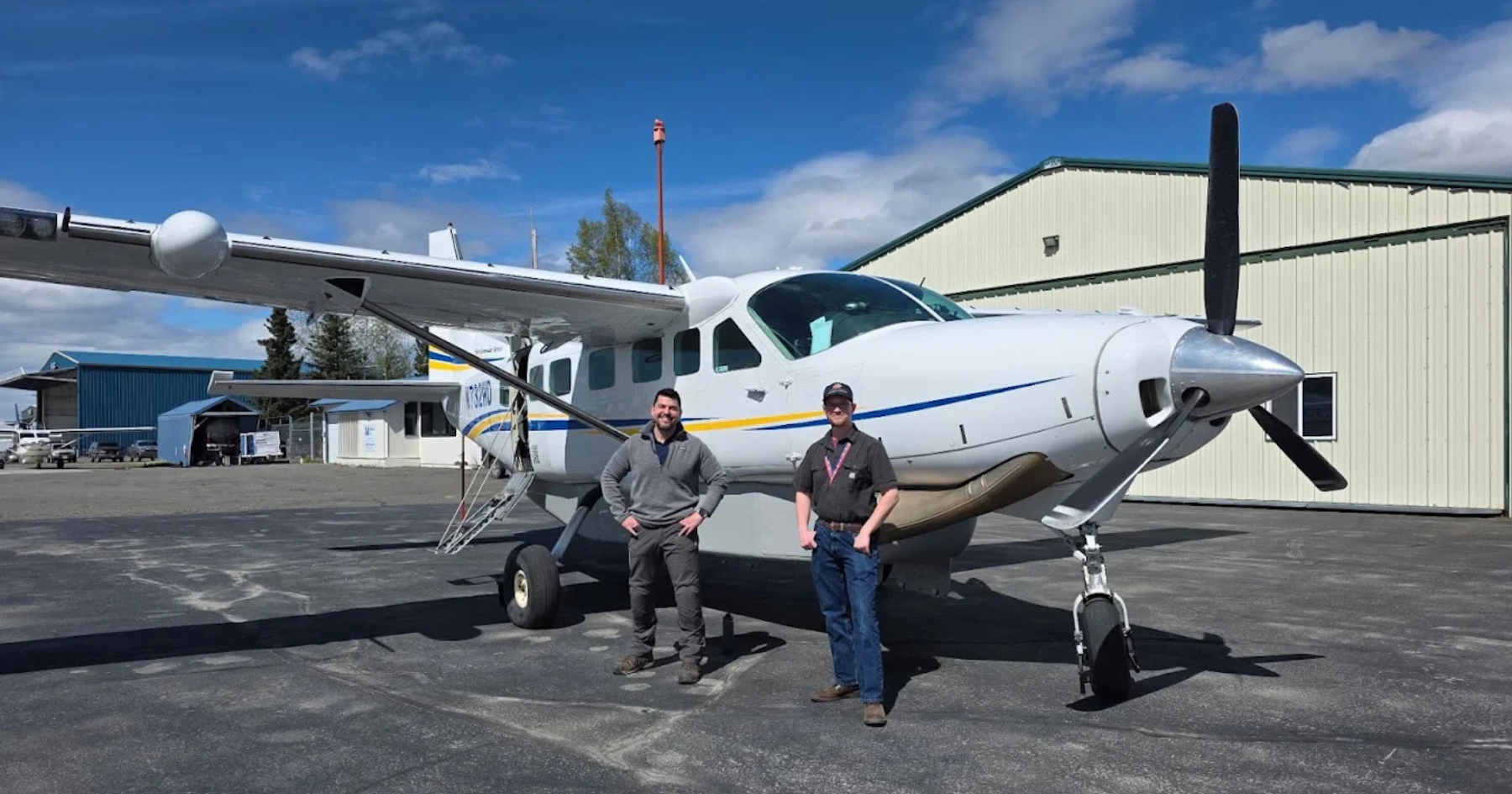
In much of rural Alaska, small planes are part of everyday life. They carry people to medical appointments, connect workers with jobs, help families visit one another, and provide access to services that may only be available in larger communities like Bethel.
More than 80% of Alaska communities are not connected to the road system. Across the Yukon-Kuskokwim Delta, rivers, tundra, wetlands, and long distances separate villages from regional hubs. A short flight may be the only practical way to reach healthcare, education, groceries, mail, or family support.
For the people who live here, small aircraft are an essential part of rural Alaska transportation.
Plan your next trip with Yute and fly with a team that understands everyday travel in the Delta.
Why Can’t Most Villages Rely on Roads?
Alaska’s road system reaches only a small portion of the state. Building and maintaining roads across remote terrain is difficult, and many Yukon-Kuskokwim Delta communities have no road connection to Bethel.
That helps explain why Alaska has more than 600 public-use airports and over 3,000 airstrips. In many parts of the state, airports serve much the same purpose as highways do elsewhere.
Boats and snowmachines may support seasonal travel, but they cannot fully replace year-round aviation. When someone needs to reach an appointment, return home, or travel on a specific day, village air service often provides the most dependable option.
What Do Village Flights Make Possible?
Every passenger has a different reason for traveling. On any given day, village flights in Alaska may carry:
- Patients heading to medical appointments
- Teachers, healthcare workers, and other employees
- Students traveling for programs or events
- Parents and children visiting family
- Elders accessing services
- Residents handling shopping, paperwork, or other needs in Bethel
These may sound like routine trips, but without road access, even a basic errand can require a flight. Small planes help residents complete those trips without leaving their communities for longer than necessary.
Why Are Small Planes Well Suited for Rural Alaska?
Small aircraft fit the distances, passenger numbers, and airport conditions found throughout the region.
Many village airports have shorter runways and less infrastructure than major commercial airports. Smaller planes can serve those locations while carrying an appropriate number of passengers, bags, and supplies.
Across Alaska, some aircraft are equipped with floats, skis, or tundra tires to operate on water, snow, gravel, or other surfaces. Many Alaska bush planes are also designed for short takeoff and landing, making them useful in places where larger aircraft wouldn’t be practical.
Yute’s commuter flights are part of an organized regional airline service, following scheduled routes, aviation regulations, and established safety procedures.
Why Is Aviation Important for Healthcare?
Medical travel is one of the clearest reasons small planes matter.
Many villages don’t offer the same level of care available in Bethel or Anchorage. A passenger may need to fly for a dental visit, follow-up appointment, evaluation, hospital treatment, or specialist care.
Small aircraft also help move medical supplies and support urgent transportation needs in remote areas. Where road access is limited or nonexistent, aviation helps connect patients with care that might otherwise be out of reach.
How Do Flights Support Work and Education?
Aviation helps schools, clinics, businesses, and community organizations operate across the Delta.
Teachers, healthcare providers, construction crews, maintenance workers, and other professionals may travel between villages as part of their jobs. Residents may also fly for training, interviews, meetings, or educational programs.
Reliable air service helps employers bring people and resources where they are needed while giving residents access to opportunities beyond their home villages.
How Do Small Planes Keep Families Connected?
Not every trip is about work or medical care.
People fly for birthdays, funerals, school events, holidays, celebrations, and time with loved ones. Families may live in different villages, making air travel the most practical way to stay connected.
That matters in a region where communities may be geographically separated but remain closely tied through family, culture, and shared history.
What Does Safe Rural Flying Require?
Flying small aircraft in Alaska requires specialized skills, careful judgment, and familiarity with local conditions.
Pilots may face rapidly changing weather, low visibility, limited communication infrastructure, and challenging terrain. Conditions can differ between departure and destination, even on a relatively short route.
Every trip requires planning, weather awareness, aircraft checks, and a clear go-or-no-go decision. Local knowledge and experience help pilots respond when conditions change.
Why Does Year-Round Service Matter?
Transportation needs continue through every season.
People still need medical care in January. Families still need to return home when river transportation is unavailable.
Weather may affect schedules, but year-round flights give communities a consistent transportation option. That continuity is a vital part of Yukon-Kuskokwim Delta transportation.
How Does Yute Support Everyday Life?
Yute’s commuter flights connect villages with Bethel and support the trips that keep daily life moving.
One passenger may be heading to an appointment. Another may be returning from work, visiting family, or taking care of an errand that cannot be completed at home.
Small planes connect more than airports. They connect people with the care, services, opportunities, and relationships they rely on.
Keep your plans moving with a Yute flight built around the needs of rural Alaska communities.