
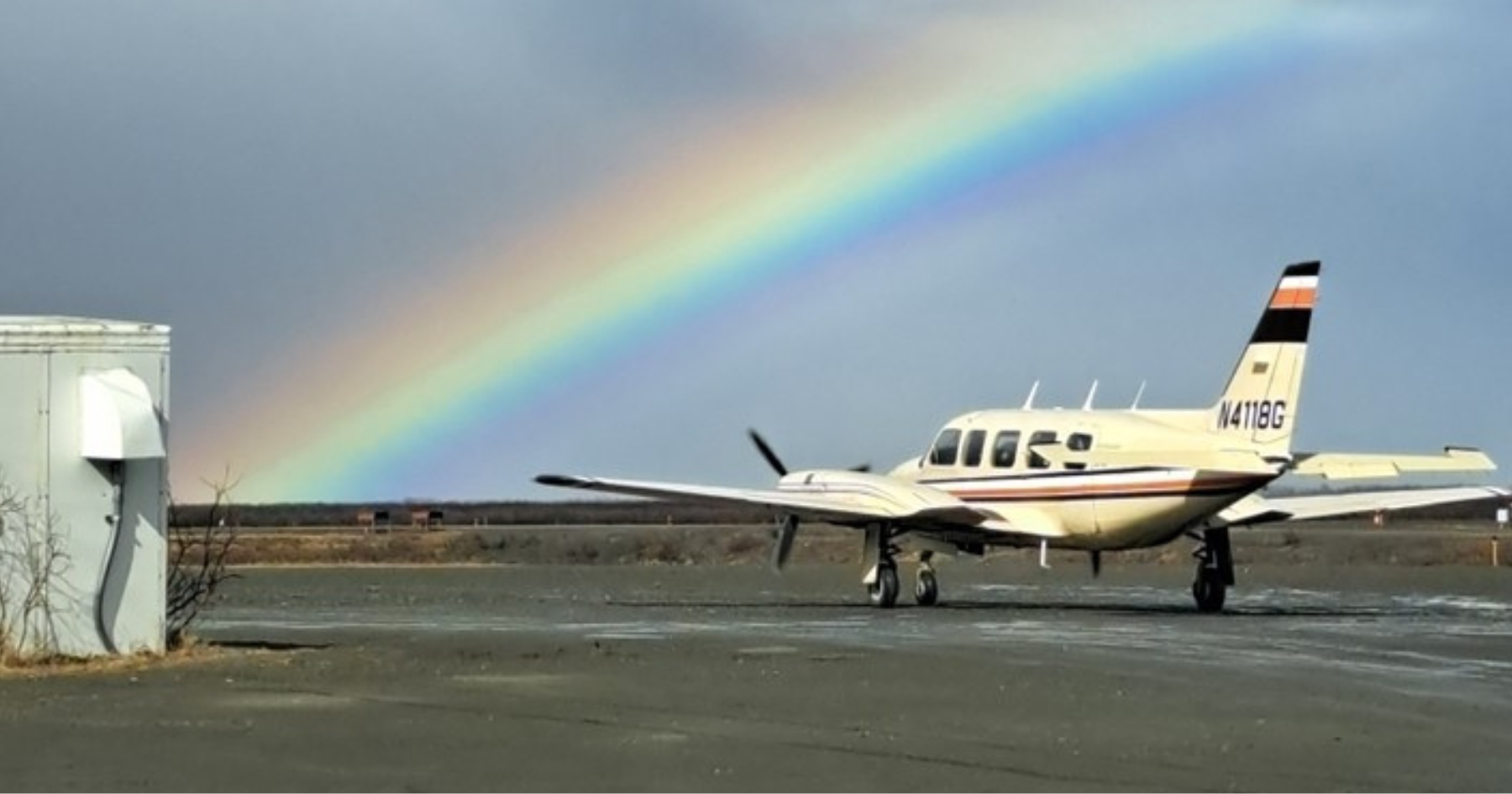
Flying on a small plane in Alaska can feel a little different the first time, but for people who live in rural communities, it is simply part of everyday travel.
Around Bethel and throughout the Yukon-Kuskokwim Delta, small commuter aircraft connect villages that are not linked by roads. Passengers use these flights to get to medical appointments, visit family, travel for work, or take care of errands in larger communities.
If you are flying on a small plane in Alaska for the first time, knowing what to expect can make the trip feel much more familiar before you ever step on board.
Planning your first small-plane trip? Reserve your seat with Yute and travel with a team that knows the region.
What Is Boarding a Small Plane Like?
Boarding a small plane is usually simpler than boarding a large commercial flight.
Instead of walking through a jet bridge, passengers may walk across the ramp and board directly from the ground. Because the aircraft is smaller, boarding tends to move quickly, and the cabin may hold only a small number of passengers.
How Small Does the Cabin Feel?
A small commuter aircraft has fewer seats, less overhead storage, and a more compact cabin than a commercial jet.
That closeness can feel unfamiliar on your first flight, but it also means the experience is straightforward. Once everyone is seated and the aircraft is ready, the trip gets underway quickly.
Depending on where you are flying in Alaska, bush planes may be equipped with wheels, floats, or skis. Floatplanes serve places with water access, while wheeled aircraft are more common on village routes with established runways.
Will the Flight Be Noisy?
Yes, small plane flights can be louder than commercial flights.
You may hear the engine, propeller, airflow, and changes in power much more clearly. Those sounds are normal. The cabin is simply closer to the aircraft’s working parts than it would be on a large jet.
If you are sensitive to noise, earplugs can help make the trip more comfortable.
How Does Baggage Work on a Small Plane?
Baggage limits matter more on a small aircraft because weight and balance are closely managed.
Passenger weight, luggage, freight, and fuel all factor into how the aircraft is loaded. That is why baggage rules may feel stricter than they do on a commercial airline.
Staff may place bags or cargo in a specific part of the aircraft to keep the load properly balanced. Keeping medications, identification, and other essentials easy to reach can also make travel day easier.
What Does Takeoff Feel Like?
Takeoff on a small plane can feel more immediate.
You may notice acceleration, bumps from the runway, changes in wind, or turns more clearly than you would on a large commercial aircraft. Many rural Alaska runways are unpaved, so the ride along the ground may feel different too.
Once airborne, you may also feel normal movement from the air more noticeably. For passengers new to Alaska flying, that can take a few minutes to get used to. For regular travelers, it quickly becomes familiar.
What Can You See From the Air?
One of the biggest differences is the view.
Small aircraft often fly lower than commercial jets, which can give passengers a closer look at rivers, tundra, lakes, villages, and wide stretches of remote land. Depending on the route and season, you may even spot wildlife such as moose or other animals below.
The scenery can be impressive, but for Yute passengers, the main purpose of these flights is practical: connecting communities that can be difficult or impossible to reach by road.
How Does Weather Affect the Experience?
Weather plays a major role in Alaska air travel.
Conditions can change quickly, even on relatively short routes. Wind, fog, snow, low visibility, and other weather conditions can affect departure times or whether a flight can safely reach its destination.
Pilots review the weather and flight plan before departure and continue monitoring conditions throughout the trip. Fuel planning also matters because services can be limited at remote airports and distances between airports may be significant.
If conditions change, the plan may change too. That could mean waiting at the airport, delaying departure, or adjusting the trip until conditions improve.
Is Emergency Equipment Carried on Small Planes?
Flights within Alaska are required to carry certain emergency and survival equipment.
That preparation is especially important in remote areas, where help may not be close by. Required equipment varies by season and operation, but the goal is the same: making sure passengers and crew are better prepared if an unexpected situation occurs.
What Is Landing Like?
Landing on a small aircraft can feel a little more noticeable than landing on a commercial jet. You may feel turns toward the runway, changes in wind, or the wheels meeting the runway more clearly. On an unpaved runway, there may also be a little more vibration once the aircraft reaches the ground.
Once the plane is parked, the crew will let everyone know when it is safe to exit.
What Should First-Time Passengers Keep in Mind?
The biggest thing to remember is that small-plane travel is everyday transportation in rural Alaska.
Arrive with enough time to check in, follow baggage requirements, listen to crew instructions, and ask questions if something feels unfamiliar. Dress for the weather, keep important belongings close, and leave some flexibility in your plans in case weather affects the schedule.
Your first trip may feel different from flying on a commercial jet, but across the Yukon-Kuskokwim Delta, these aircraft are simply how people get to work, reach medical care, visit family, and return home.
Need to get between Bethel and a nearby village? Secure your seat with Yute today.