
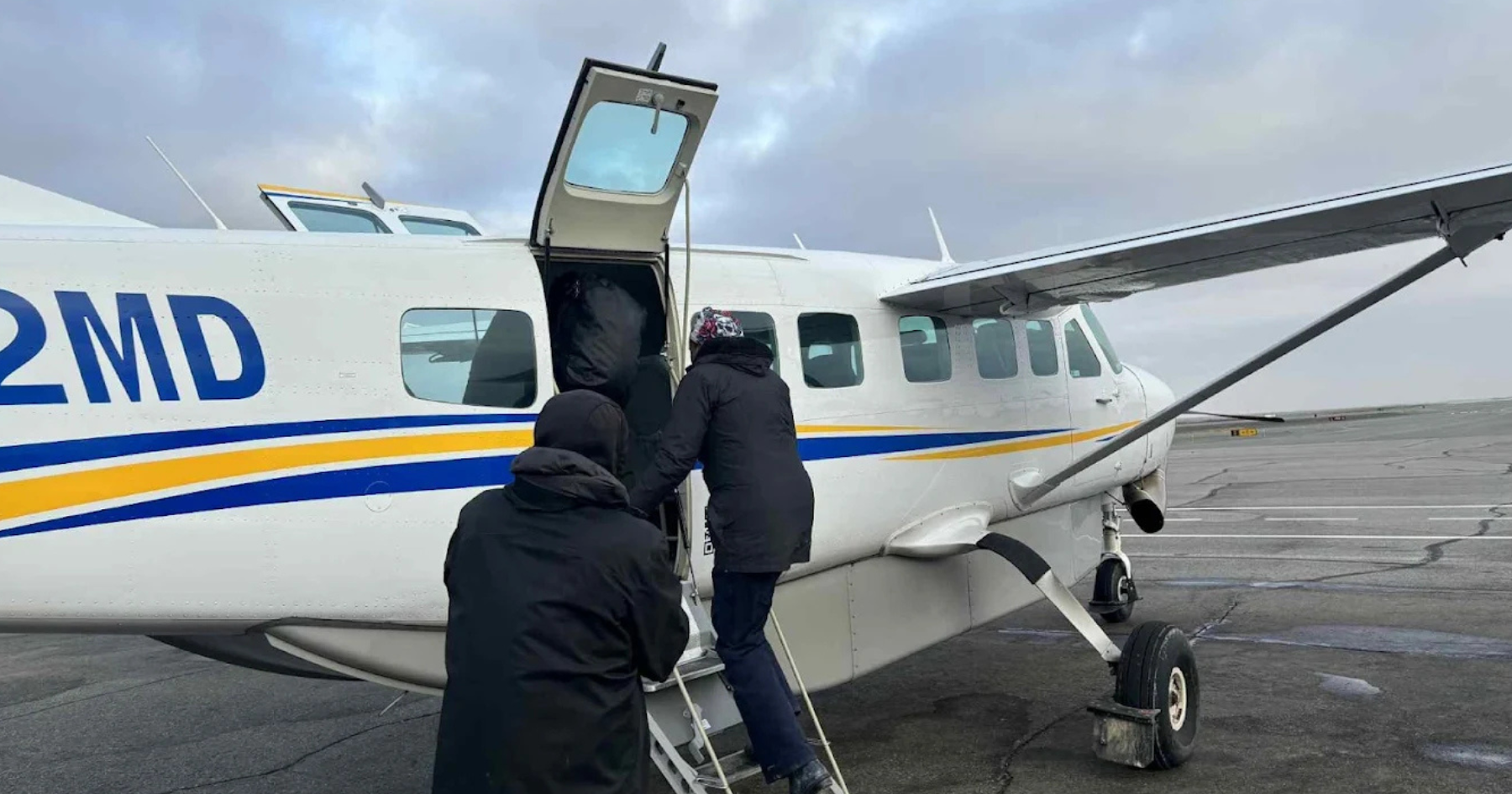
Before a Yute flight leaves the ground, several people have already spent time reviewing conditions, preparing the aircraft, and making sure the trip is ready to go.
Passengers usually see the last few minutes of that process: check-in, boarding, and takeoff. Behind the scenes, every flight involves weather review, aircraft inspections, fuel planning, loading, route planning, and a final safety decision.
That preparation matters anywhere, but it carries added importance in rural Alaska aviation, where weather can change quickly, and many airports have limited services. Pilots and operations teams need a clear plan before passengers ever board.
Secure your seat with Yute and travel knowing every flight starts with careful planning.
How Is the Weather Reviewed?
Weather is one of the first things checked before a flight.
Conditions can vary widely across the Yukon-Kuskokwim Delta. Bethel may be clear while a destination village is dealing with fog, snow, wind, or reduced visibility. Alaska also has fewer weather-reporting points than many other parts of the country, so pilots may use several sources to understand what is happening along a route.
They review current reports, forecasts, visibility, winds, and recent updates from nearby airports or pilots. Because weather can change over a short distance, conditions are checked again as departure gets closer.
What Happens During a Preflight Inspection?
Before every flight, the pilot conducts a preflight inspection to evaluate the aircraft’s condition and confirm that it is ready to fly.
Using a checklist helps keep the process consistent. The pilot visually checks areas such as:
- Wings and control surfaces
- Tires and landing gear
- Propeller and engine areas
- Lights and exterior equipment
- Fuel and oil levels
- Signs of leaks, damage, frost, snow, or ice
These aircraft safety checks can help catch mechanical concerns before the plane leaves the ground. Pilots are responsible for confirming the aircraft is airworthy and that required systems are functioning properly.
Why Do Ice and Cold Require Extra Attention?
Cold temperatures create additional concerns for aircraft preparation.
Ice, frost, or packed snow on the wings can interfere with airflow and reduce lift. During winter operations, pilots also need to ensure that flight controls move freely and aren’t blocked by frozen material.
The aircraft may need time for de-icing, engine preparation, or another inspection before boarding begins. Those steps can add a few minutes, but they are an important part of preparing for safe winter flight.
How Are Fuel and Alternate Plans Calculated?
Fuel planning in Alaska requires careful attention because airports may be far apart and some offer few or no services.
The aircraft needs enough fuel for the planned route, required reserves, and an alternate airport if the original destination becomes unavailable. At the same time, fuel adds weight, so the amount must be balanced with passengers, baggage, and cargo.
Before departure, pilots confirm fuel and oil levels and review where the aircraft could safely divert if conditions change. This self-sufficient planning is especially important when flying over remote terrain.
Why Are Passengers, Bags, and Cargo Weighed?
Small commuter aircraft have specific weight and balance limits.
Before boarding, the team needs an accurate understanding of how much weight the aircraft will carry and where that weight will be placed. Passenger information, baggage, freight, and other cargo all factor into the calculation.
That is why baggage limits matter and why items may need to be repositioned or placed in a particular section of the aircraft. Proper weight and balance support safe takeoff, handling, fuel use, and landing.
Is Emergency Equipment Checked Before Departure?
Alaska requires certain survival equipment to be carried based on the season and type of flight.
Before departure, pilots need to confirm that required emergency supplies are on board and usable. Depending on the season and operation, that may include cold-weather survival equipment and other items intended for remote travel.
This preparation reflects the realities of flying in a region where ground assistance may not be immediately available.
Who Helps Prepare the Flight?
A safe departure depends on more than the pilot.
Operations staff review schedules, routes, and weather. Ground crews help fuel and load the aircraft. Maintenance technicians inspect equipment and address mechanical concerns. Customer service staff check in passengers, organize baggage, and share updates.
Each person handles a different part of the process, but all of that work comes together before the plane departs.
Why Might Departure Take a Little Longer?
Sometimes passengers are checked in, but the flight still needs more time.
The crew may be waiting for a weather update, reviewing an alternate route, adjusting the load, completing a maintenance check, or removing frost or ice from the aircraft. A previous flight may also have returned late, shifting the next departure.
These are normal parts of Alaska flight operations. The team needs to complete each step rather than rush the aircraft into the air.
What Happens Before the Final Go-or-No-Go Decision?
Close to departure, the pilot reviews the full picture: the aircraft, weather, route, fuel, runway conditions, passenger load, emergency equipment, and available alternatives.
New information can still change the plan. Visibility might improve, weather may worsen, or a mechanical question may require another inspection.
When the aircraft and route are ready, passengers board and the flight departs. When more time is needed, the team waits and reassesses.
By the time your Yute flight takes off, a long list of checks has already been completed to help make sure the aircraft, crew, passengers, and route are prepared.
Ready to fly? Reserve your seat with Yute and let our team handle the details behind the scenes.