
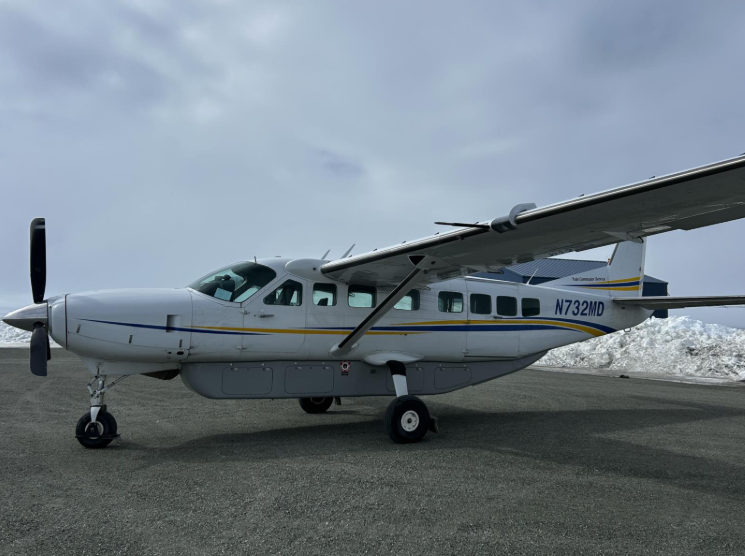
Yes, flights turning around in rural Alaska are completely normal. In fact, it’s often a sign that aviation safety systems are working exactly as they should. In regions like the Yukon-Kuskokwim Delta, where weather conditions can change quickly, pilots are trained to make careful decisions early—not after something becomes unsafe.
When you’re ready to travel, we’re ready to get you there safely and reliably.
So… What Does It Actually Mean When a Plane Turns Around?
If you’re on a flight and the plane heads back to the airport, it’s easy to assume something is wrong. But most of the time, it’s actually the opposite.
In rural Alaska, when it comes to flight safety, pilots aren’t trying to “push through” changing conditions. If something shifts, whether it be weather, visibility, or runway conditions, they adjust the plan. Sometimes that means continuing. Sometimes it means waiting. And sometimes it means turning around.
It’s a decision made early, on purpose, to avoid risk later.
Why Flights Turn Back in the Yukon-Kuskokwim Delta
Flying in rural Alaska comes with a unique set of challenges. Many flights operate on small planes or bush planes, traveling between villages where conditions can vary quickly.
Here are the most common reasons a flight may turn around:
Unpredictable weather
Alaska’s weather is known for rapid shifts—fog, snow, wind, and low visibility can change within minutes along a route.
Visibility drops below safe limits
Pilots may be flying under VFR (visual flight rules) and need clear visibility to land safely. If that changes, they may switch plans or return.
Runway and landing conditions
Many rural airports use gravel or unlit runways. Snow, ice, or wind can make a landing unsafe.
Updated reports from the destination
Pilots receive real-time updates and use their local knowledge to determine whether conditions are still safe for arrival.
Even if the departure point looks clear, the destination village may have completely different conditions.
What You Don’t See (But Is Always Happening)
There’s a lot going on behind the scenes during every flight.
Pilots are trained for Alaska’s specific aviation challenges—including low visibility, changing terrain, and extreme weather. They’re using both VFR and IFR knowledge, staying in communication with operations, and continuously evaluating the situation.
Most are experienced pilots who know these routes well. They’ve flown them in different seasons, different conditions, and know what to watch for.
There are also clear FAA regulations and safety expectations that guide how commuter airlines operate here. Decisions aren’t random—they’re structured and intentional.
Why This Matters for Passengers
In a lot of places, a delayed flight is an inconvenience. In rural Alaska, it’s different.
Many communities rely on small aircraft as their main connection to the outside world. There are no road systems linking most villages, which means air travel is essential for everyday life—getting to medical appointments, bringing in supplies, traveling for work, or visiting family.
These flights are a lifeline, not a luxury. That’s exactly why safety comes first, every time.
Why Turning Around Is Just Part of Flying Here
Flying in Alaska comes with real challenges:
- Unpredictable weather year-round
- Freezing temperatures and winter conditions
- Smaller, sometimes unlit or gravel runways
- Limited weather reporting in some areas
Because of all this, pilots are trained to be cautious. They’re expected to make conservative calls—not last-minute ones.
There’s been a lot of focus over the years on improving aviation safety in Alaska, from better weather reporting to stronger training and equipment requirements. Those improvements only work if pilots actually use them.
Turning around is one of those tools.
What Happens If Your Flight Turns Around
If it happens to you, here’s what you can expect:
- The plane returns safely to the departure airport
- The situation gets reassessed based on updated weather conditions
- You may be delayed or rebooked depending on the day
It can throw off your plans, especially in winter, but it’s handled with safety in mind first.
Out Here, This Is Part of Flying
If you’ve flown in rural Alaska for a while, you’ve probably seen this happen. And if you’re newer to it, it can feel unexpected. But a flight turning around doesn’t mean something went wrong—it means the pilot made a call at the right time.
Out here, where so many communities depend on small aircraft every day, that kind of decision-making is what keeps people safe, keeps routes reliable, and keeps everything moving the way it should.
Reserve your seat today with Yute Commuter Service and travel with a team your community trusts.