
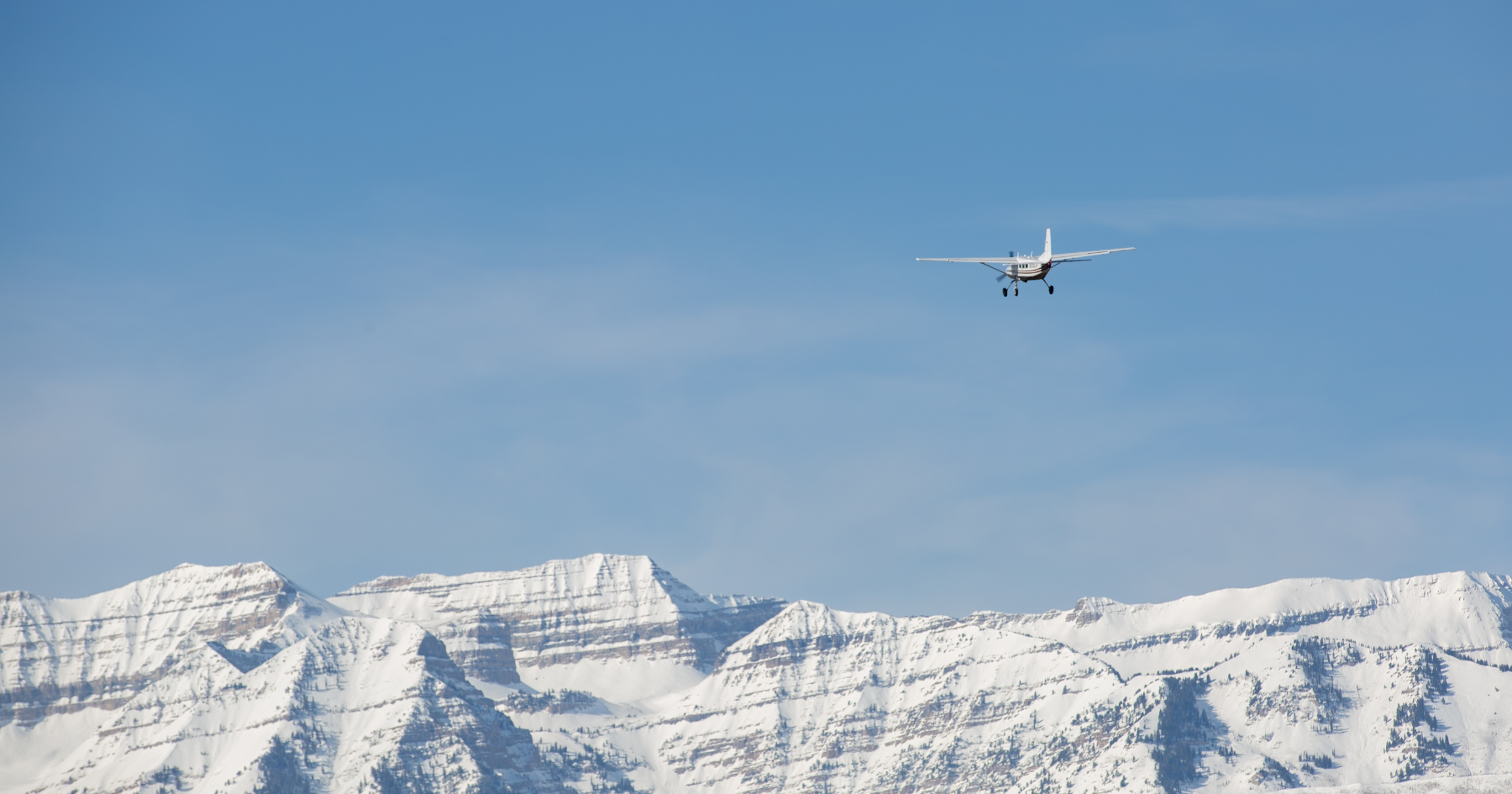
Keeping flights moving year-round in rural Alaska takes planning, maintenance, experienced staff, and constant coordination behind the scenes.
The Yukon-Kuskokwim Delta doesn’t have one single travel season. People need to get to medical appointments, work, family, school, and essential services in every month of the year. That means an Alaska commuter airline like Yute has to prepare for deep winter cold, spring breakup, summer rain, fall storms, and everything in between.
Schedules may shift when conditions demand it, but year-round service gives rural communities a consistent way to stay connected.
Choose Yute for year-round travel across the Yukon-Kuskokwim Delta.
Why Does Year-Round Air Service Matter in Alaska?
Alaska depends heavily on aviation because so many communities are separated by long distances and limited road access.
The state has hundreds of rural airports, and smaller airlines provide the connections between villages and regional hubs such as Bethel, Anchorage, Fairbanks, and Juneau.
Major carriers may connect Alaska’s larger cities with the rest of the country, but regional airlines handle a different part of the transportation system. They help people complete the last leg of the trip between a hub and a smaller community.
For the Yukon-Kuskokwim Delta, year-round flights in Alaska mean residents can continue traveling for healthcare, work, education, family, and essential errands even when seasonal transportation options are unavailable.
How Does Weather Planning Change With the Seasons?
Weather is one of the biggest variables in rural Alaska aviation. Winter can bring snow, ice, wind, low visibility, and short daylight hours. Spring can create changing runway and surface conditions. Summer may bring fog and rain, while fall can quickly shift back toward colder temperatures and stronger storms.
Pilots and operations teams review weather before each flight and continue monitoring conditions throughout the day.
A route that looks good in the morning may need to wait later, while another destination may improve enough for service to resume. That flexibility is a normal part of operating Yukon-Kuskokwim flights throughout the year.
What Role Does Aircraft Maintenance Play?
Year-round flying depends on aircraft that are properly maintained and ready for the conditions they will face.
Aircraft maintenance in Alaska includes routine inspections, scheduled service, repairs, and attention to issues that can come with frequent operations and changing temperatures.
Cold weather can add extra steps. Aircraft may need additional time for warming, de-icing, or inspections before departure. Maintenance technicians also monitor wear and mechanical concerns throughout the year rather than waiting for a particular season.
That ongoing work helps keep aircraft ready for regular service.
How Are Flights Scheduled Around Changing Conditions?
Scheduled service provides structure, but rural flying also requires flexibility. Weather, daylight, runway conditions, aircraft availability, and earlier delays can all affect how the day unfolds.
Operations teams may adjust departure times, move aircraft between routes, or reorganize the schedule when a previous flight runs late.
This is different from seasonal airline service designed mainly around tourism demand. Yute’s routes serve communities that need transportation in January just as much as they do in July.
That makes consistency across the year more important than simply increasing flights during the busiest travel months.
Who Keeps Year-Round Flights Moving?
A lot of people contribute before a plane ever leaves the ground.
Year-round service depends on:
- Pilots
- Maintenance technicians
- Operations staff
- Ground crews
- Customer service teams
- Fueling and loading staff
Each person handles a different piece of the day. Maintenance keeps aircraft ready. Operations monitors weather and schedules. Ground crews help with fuel, baggage, and cargo. Customer service teams communicate with passengers when plans change.
Keeping flights moving through every season is a team effort.
What Changes During Winter Operations?
Winter brings some of the biggest operational challenges. Cold temperatures can affect aircraft systems and increase preparation time. Snow and ice can change runway conditions, while short daylight hours may narrow the available window for certain flights. Aircraft surfaces also need to be free of ice and snow before takeoff, and crews may need additional time to prepare the plane.
Passengers may notice that travel moves a little more slowly during certain winter days. Those extra steps are part of preparing the aircraft and route for the conditions at hand.
What Happens When a Flight Cannot Operate?
Sometimes weather, runway conditions, maintenance needs, or another operational concern means a flight has to wait.
The team continues monitoring the situation and adjusts the schedule as conditions change. One route may operate normally while another remains delayed because each destination has different weather and airport conditions.
A temporary delay doesn’t change the larger goal of maintaining dependable service throughout the year.
How Does Yute Keep Communities Connected in Every Season?
Keeping flights running year-round comes down to preparation and coordination.
Aircraft need regular maintenance. Pilots and operations teams need current weather information. Crews need to be ready, and schedules need enough flexibility to respond when conditions change.
For communities around Bethel, that work keeps air travel available through winter, breakup, summer, and fall.
Yute’s year-round service helps people stay connected to the care, jobs, family, and services they rely on no matter what month is on the calendar.
From winter cold to summer rain, book with Yute for dependable village-to-Bethel service.